
The Lotus Sūtra teaches that all beings possess Buddha-nature, using parables and skillful means to offer practical guidance for understanding compassion, wisdom, and the single path to universal awakening.
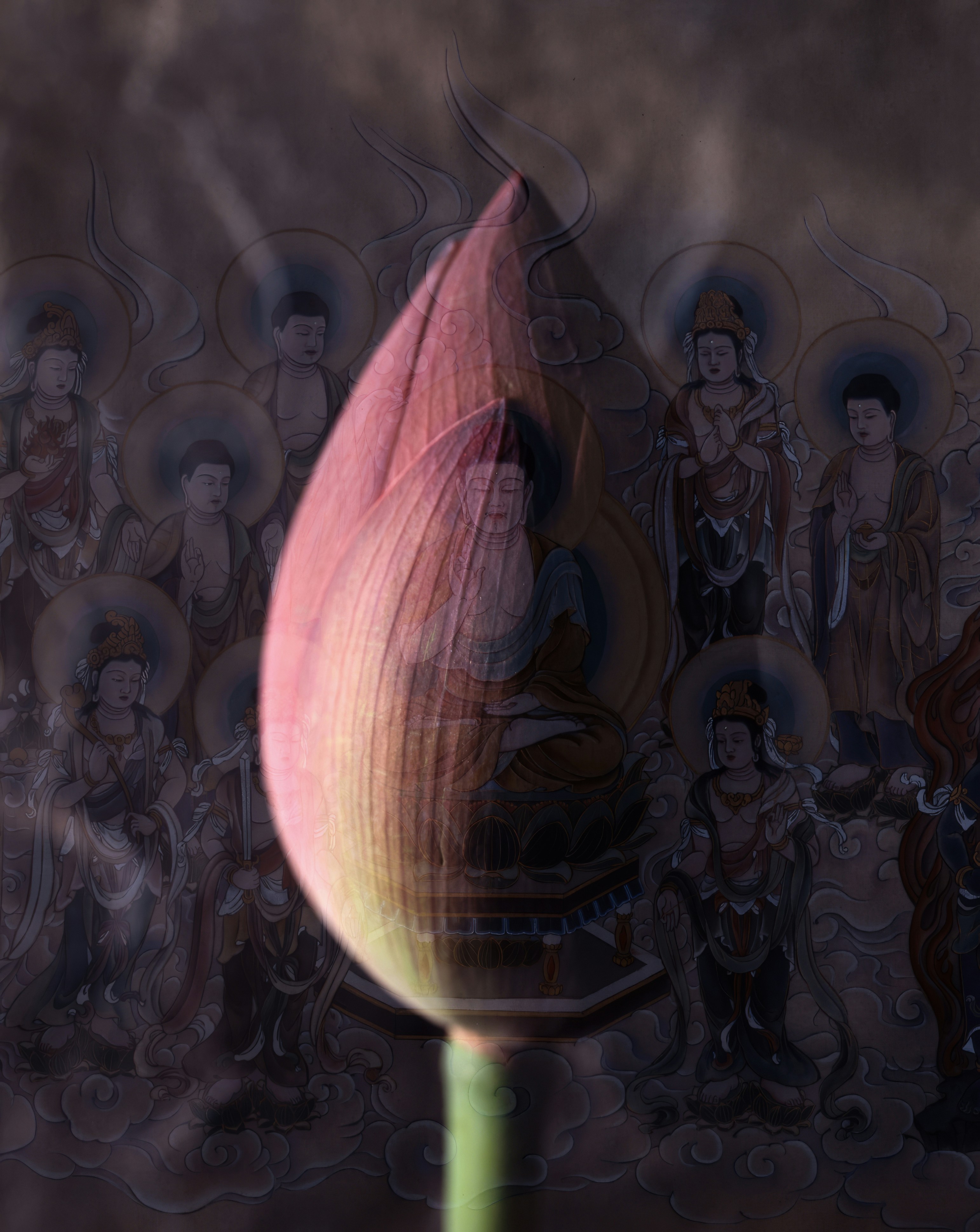
Photo by Buddy AN.
In a public talk delivered in New Delhi, Dzongsar Jamyang Khyentse Rinpoche offers an illuminating introduction to the Lotus Sūtra (The White Lotus of the Good Dharma), one of the most influential and widely revered texts in Mahāyāna Buddhism. Known for its profound message that all beings possess the potential for Buddhahood, the Lotus Sūtra has shaped Buddhist thought and practice for centuries, particularly across East Asian traditions. In this talk, Rinpoche unpacks why the sutra’s radical vision of universal awakening remains deeply relevant in the modern world.
Drawing on the Lotus Sūtra’s famous use of parables and storytelling, Rinpoche explains how the Buddha employed skillful means to teach according to the needs and capacities of different audiences. These narratives are not merely symbolic or historical—they serve as practical tools for understanding compassion, wisdom, and the nature of enlightenment itself. Rinpoche emphasizes that the sutra invites practitioners to move beyond rigid distinctions between “advanced” and “ordinary” paths, pointing instead toward a single vehicle that leads all beings to awakening.
Throughout the talk, Rinpoche situates the Lotus Sūtra as both a timeless scripture and a living teaching, encouraging listeners to engage with it not only as a philosophical text but as guidance for everyday life. By highlighting its core themes—Buddha-nature, compassion, and inclusivity—he shows how this ancient sūtra continues to speak powerfully to contemporary concerns, offering insight into how we understand ourselves, others, and the possibility of transformation.

Dzongsar Khyentse Rinpoche is a student of important Tibetan Buddhist lamas including Kyabje Dilgo Khyentse Rinpoche, Kyabje Sakya Trizin, Kyabje Dudjom Rinpoche, and the 16th Karmapa.