Buddhist mindfulness as a tool for outwitting digital algorithms and navigating social media —ancient wisdom for modern mental health, identity, and the ethical questions AI cannot answer.

Photograph by M. Tiutiunyk, Ho Centre for Buddhist Studies Toronto.
In this timely discussion, Dzongsar Khyentse Rinpoche explores the intersection of Buddhism and artificial intelligence, addressing how ancient wisdom can help navigate contemporary technological challenges. Rinpoche examines how traditional mindfulness practices can help individuals outwit digital algorithms and navigate the pressures of modern social media, while exploring broader questions about mental health, the nature of sadness, and identity crises in the digital age.
A central theme is the distinction between AI's ability to efficiently dispense information and the irreplaceable human elements of genuine spiritual guidance—particularly motivation, ethical nuance, and the personal relationship between teacher and student. Rinpoche discusses how Buddhist philosophy remains uniquely relevant for addressing the psychological and existential challenges created by rapid technological change, offering tools for maintaining mental clarity and authentic self-understanding amid algorithmic manipulation.
The conversation also touches on the 84000 translation project as an example of preserving sacred wisdom for future generations, emphasizing that while technology can aid in preservation and access, the essence of spiritual transmission requires human wisdom, compassion, and ethical discernment that AI cannot replicate.
Moderated by Dr. Rory Lindsay, Assistant Professor in the Department of the Study of Religion at the University of Toronto and editor of 84000: Translating the Words of the Buddha.
Key moments:
[10:55] Advice for young people growing up with smartphones and staying healthy and confident
[17:30] How to help people with depression
[26:27] Should we create AI Buddhist practitioners? Could they be helpful to the sangha or as spiritual friends?
[31:47] Work-life balance and ambition
[34:28] In what ways is AI good or bad for the future of Buddhism?
[39:30] Balancing the present with preparing for the future
[41:50] Making the Buddha’s teachings accessible to Gen Z
[46:46] Introducing Buddhist approaches to suffering within a medical setting
[51:16] Will I get merit if ChatGPT recites mantras for me?
[52:07] Choosing between passion, talent, or stability in modern career decisions
Co-hosted by 84000 (https://84000.co), the Robert H.N. Ho Family Foundation Centre for Buddhist Studies (https://buddhiststudies.utoronto.ca), New College
(https://www.newcollege.utoronto.ca), and the Buddhism, Psychology and Mental Health Program at U of T ( @bpmh_uoft )
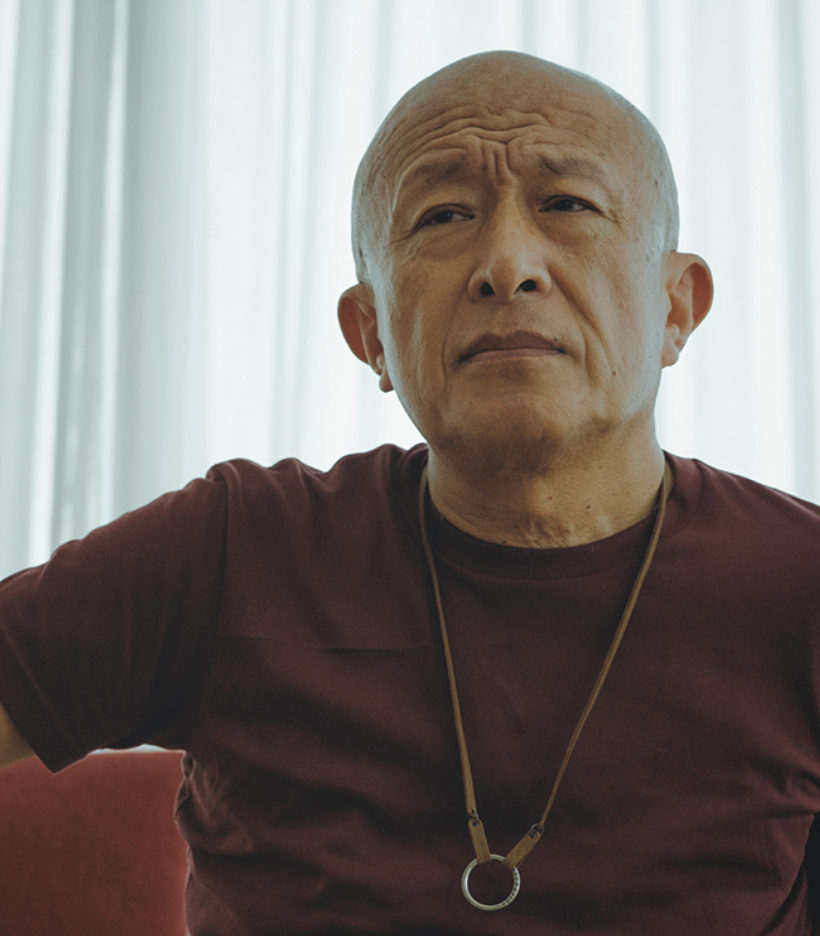
Dzongsar Khyentse Rinpoche is a student of important Tibetan Buddhist lamas including Kyabje Dilgo Khyentse Rinpoche, Kyabje Sakya Trizin, Kyabje Dudjom Rinpoche, and the 16th Karmapa.