Beyond monastic rules, The Chapter on Medicines offers the Buddha's healing narratives, past-life stories, epidemic protection, and insights on devotion's karmic power.

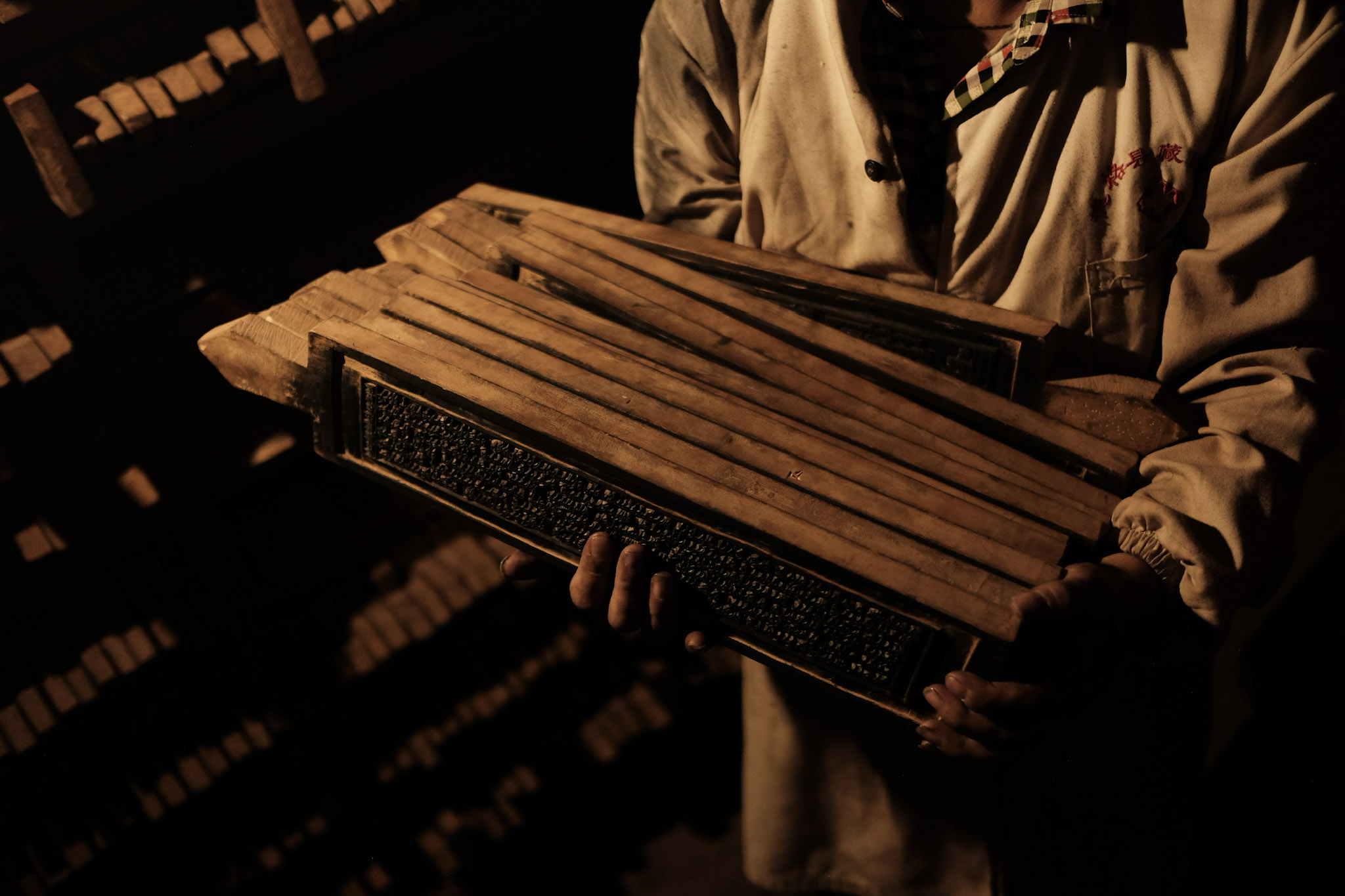
Photo by Joseph Gatto.
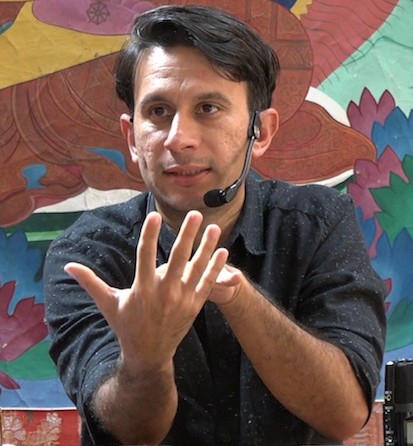
On the auspicious day of Chökor Düchen, the celebration of the Buddha’s first turning of the wheel of Dharma, Ven. Konchog Norbu offers a rich and compelling teaching on the sixth chapter of the Vinayavastu, “The Chapter on Medicines.” This talk highlights one of 84000’s most substantial translation undertakings: an approximately 800-page scripture from the Tibetan Buddhist canon that reveals far more than a set of monastic rules.
At first glance, The Chapter on Medicines may appear to be a technical manual on discipline, outlining which medicines may be accepted and how they should be received, stored, and used. Yet, as Ven. Konchog Norbu explains, only a portion of the text addresses medical regulations. The majority unfolds as a remarkable narrative journey that offers a sweeping view of the Buddha’s vast activity as he guides beings toward liberation across northern India and beyond.
Ven. Konchog Norbu, who served as a copyeditor for 84000’s translation, distills the chapter’s many layers and draws attention to what makes it so spiritually meaningful for modern readers. He highlights the extraordinary qualities of Śākyamuni Buddha and the rare karmic fortune of encountering such a teacher and his Dharma. The text preserves countless episodes showing how the actions of past lives shape present experience, while also offering glimpses into the Buddha’s own path of purification over many lifetimes on the way to full awakening.
Within this rich tapestry of stories are moving accounts involving figures such as Mahākāśyapa and the merchant Pūrṇa, illustrating the karmic power of devotion and generosity and the surprising ways merit can ripen. The chapter also includes accounts of the Buddha’s ability to quell epidemics and restore harmony, opening deeper reflections on the protective qualities of the Three Jewels: the Buddha, Dharma, and Saṅgha. These themes remain especially relevant in times of uncertainty, when practitioners turn to the Dharma for strength, steadiness, and hope.
Beyond its spiritual teachings, The Chapter on Medicines offers fascinating glimpses into Indian religious and social life, as well as vivid descriptions of worlds and realms that extend far beyond ordinary experience. Ven. Konchog Norbu also points to the text’s repetitive stock passages, often overlooked by modern readers, and shows how these formulas preserve essential instructions meant to shape the mind through contemplation and repetition. In doing so, he invites us to approach the chapter not simply as history or monastic literature, but as a living source of Dharma that still speaks directly to our lives.
84000’s translation of The Chapter on Medicines is a reminder of the immense breadth of the Tibetan Buddhist canon, much of which remains unfamiliar even to dedicated practitioners. By making texts like this accessible in English, 84000 helps bridge the distance between ancient monastic worlds and contemporary spiritual life, offering fresh ways to reflect on karma, resilience, and the liberating activity of the Buddha.

Ven. Konchog Norbu is a copyeditor at 84000 who studied modern American literature and creative writing at Brown University before becoming a Buddhist monk in 1993. He has worked for Lion's Roar, edited the teachings of contemporary Buddhist masters, and taught at Namdroling Monastery, where he oversaw projects of the Rigzod Editorial Committee.