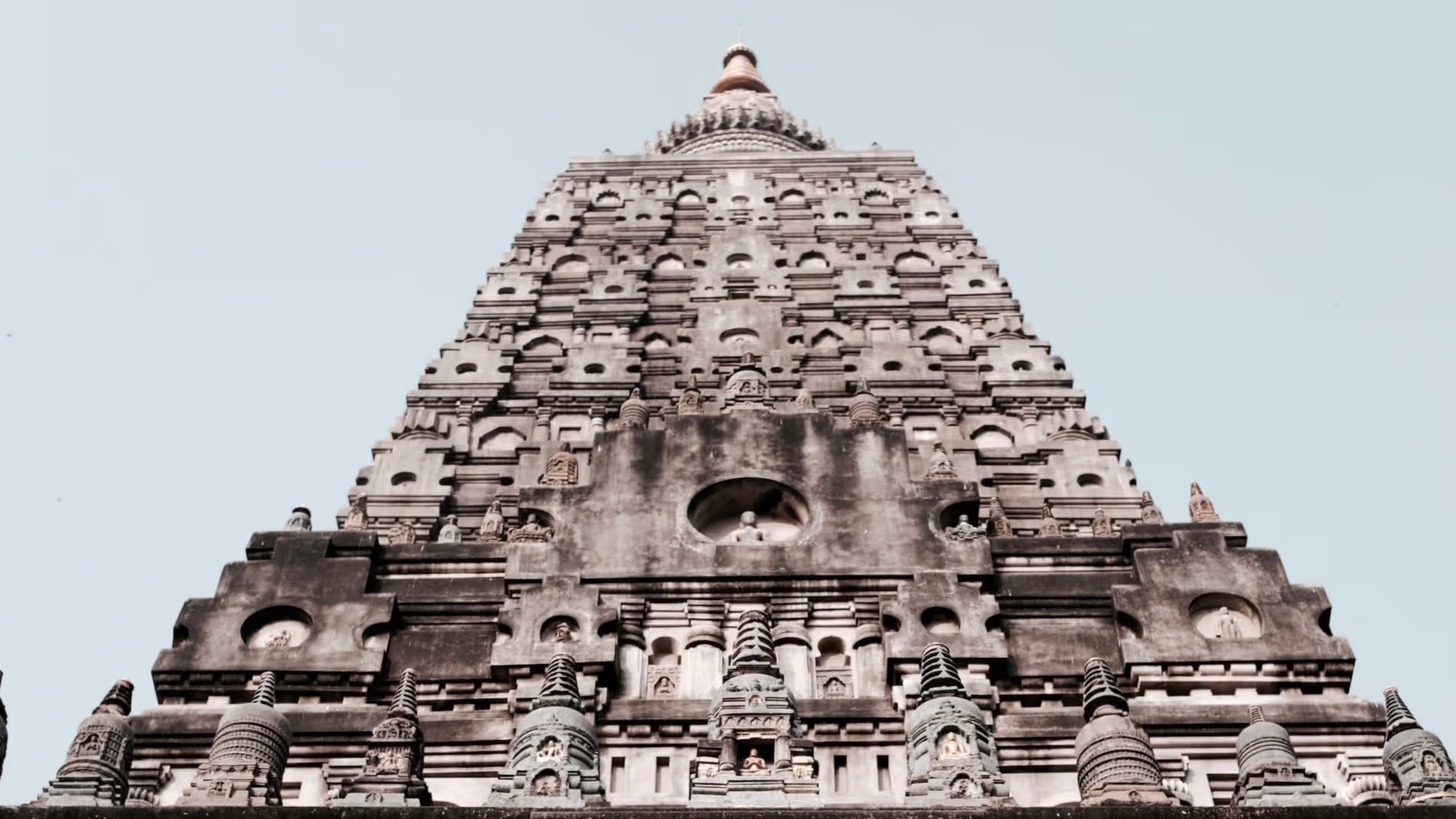
In October 2012, around 300 people gathered under the bodhi tree in Bodhgaya—the very site of the Buddha's awakening—to read his words aloud in English for the first time at this sacred place.
%20By%20Danny%20Lee.avif)
Two and a half millennia ago, Siddhartha Gautama attained enlightenment under the bodhi tree in Magadha, at what is known today as Bodhgaya in India. For the next 45 years, the Buddha walked barefooted all over India sharing the methods to attain true peace and freedom from suffering.On the evening of October 28, 2012, a large gathering assembled under the canopied branches of the bodhi tree, the very place of the Buddha’s awakening, to read his words aloud in English.
This is the first time a sūtra resounding in English has taken place at the world’s most sacred buddhist site. These sūtras are among the first 100 pages of translated texts published by 84000 in its online reading room earlier this year. Some 300 people, including the 84000 working committee members, volunteers, donors and supporters, flew in from all over the world to take part in this meaningful event. The international crowd drew the attention of curious onlookers and locals, some of whom remained to share in the excitement of the occasion.Gold-covered bound texts* containing six newly translated sūtras of the Kangyur were distributed freely to the participants. Different sets of texts were prepared, each with the sūtras arranged in different sequences, so that several sūtras could be read aloud at the same time. Dzongsar Khyentse Rinpoche, the chair of 84000, was met by an animated and expectant crowd.
After settling into his seat, at about 5 p.m., Rinpoche gave an opening address on the significance of reading the words of the Buddha under the bodhi tree. The resounding commenced with opening prayers led by Drubgyud Tenzin Rinpoche, followed by the actual reading of sūtras. Adopting the style of a traditional resounding, participants read the sūtras at their own pace, against a choral backdrop of other voices reading aloud. Just as an orchestra comprised of many instruments plays different notes in a score, all the distinct voices harmonized seamlessly into a resounding symphony. The atmosphere was serene, yet filled with concentration and intent. As dusk fell, participants continued to read by the light of torches and cell phones. After an hour of sūtra reading, the event was formally brought to a close with dedication prayers led by Drubgyud Tenzin Rinpoche.
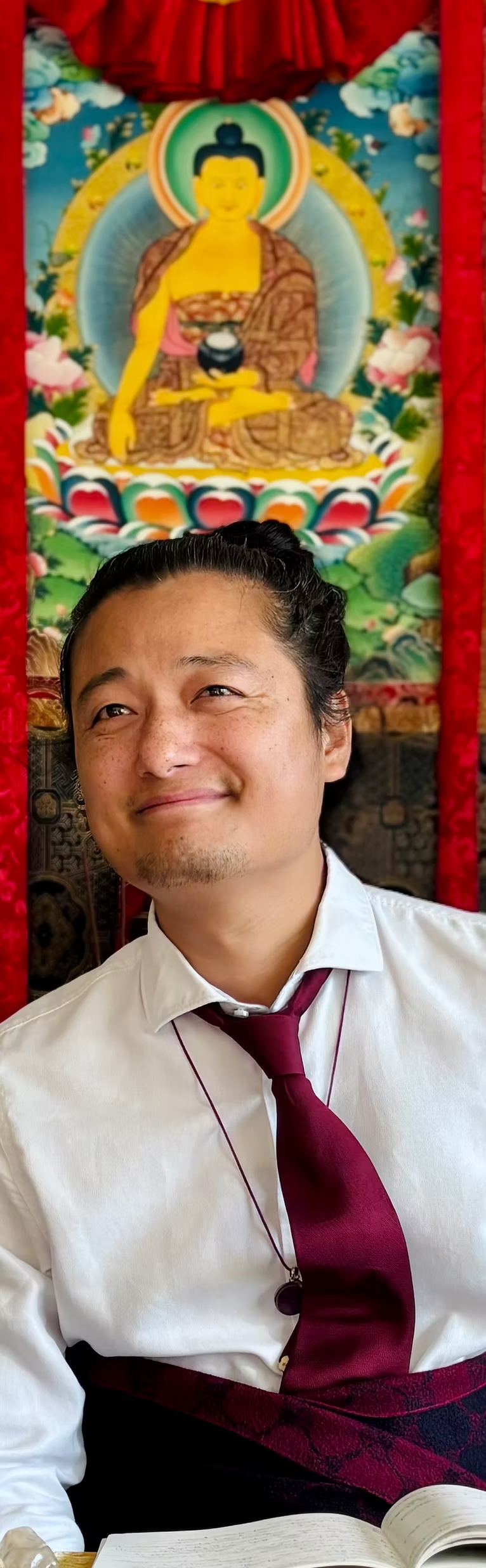
Dzongsar Khyentse Rinpoche: Welcome everyone! I’m very fortunate to preside over here for probably the first ever resounding of the sūtras, in languages other than Tibetan, Chinese, Japanese, Sanskrit, Pali, and traditional Buddhist languages.I take this as very fortunate for all of us. Somewhere here, once upon a time, ten million bodhisattvas were beheaded by a vicious king. Instead of feeling remorse or anger towards the king, all the bodhisattvas practiced compassion, tolerance, love; and all the bodhisattvas decided to aspire for the greater good. It is believed that a thousand of them decided to become teachers, and many other thousands aspired to become disciples of these thousand teachers. Yet other bodhisattvas aspired to become patrons, well-wishers, servants, so on and so forth. So it is for this reason, the seat is so special.Unlike many holy sites, as a buddhist, I express my pride that, we, the followers of the Buddha, are very proud that our most holy shrine is actually a seat under the tree, where the Buddha actually achieved enlightenment.Right there, four buddhas in this aeon have already achieved enlightenment. There are 996 buddhas confirmed to be enlightened. I’m sure this is just relative counting. I’m sure if our aspiration and merit is good enough, we are all also going to sit under that tree and benefit many sentient beings. Please generate this motivation.Relatively speaking, the Buddha benefits sentient beings through his body, speech, mind, quality and activity. Among these five ways to benefit sentient beings, obviously, his speech—the teachings—is the most tangible, most feasible, and most credible. For this reason, to hear, to utter, to make the sound of the Dharma; to possess, to write, to read, to share, to even have it within your possession, is considered to be of infinite value.Here, many of us are trying to translate the words of the Buddha in different languages. As our first celebration, we are going to read the sūtras in English. So please follow Drubgyud Tenzin Rinpoche.
Photo slideshow of the resounding event:
Photos: Danny Lee, Frank Lee, Lieow Shao Wei, Tessa Goh
We would like to offer our gratitude to the following people for making the texts for the 84000 Sūtra Resounding available to the participants of this event:
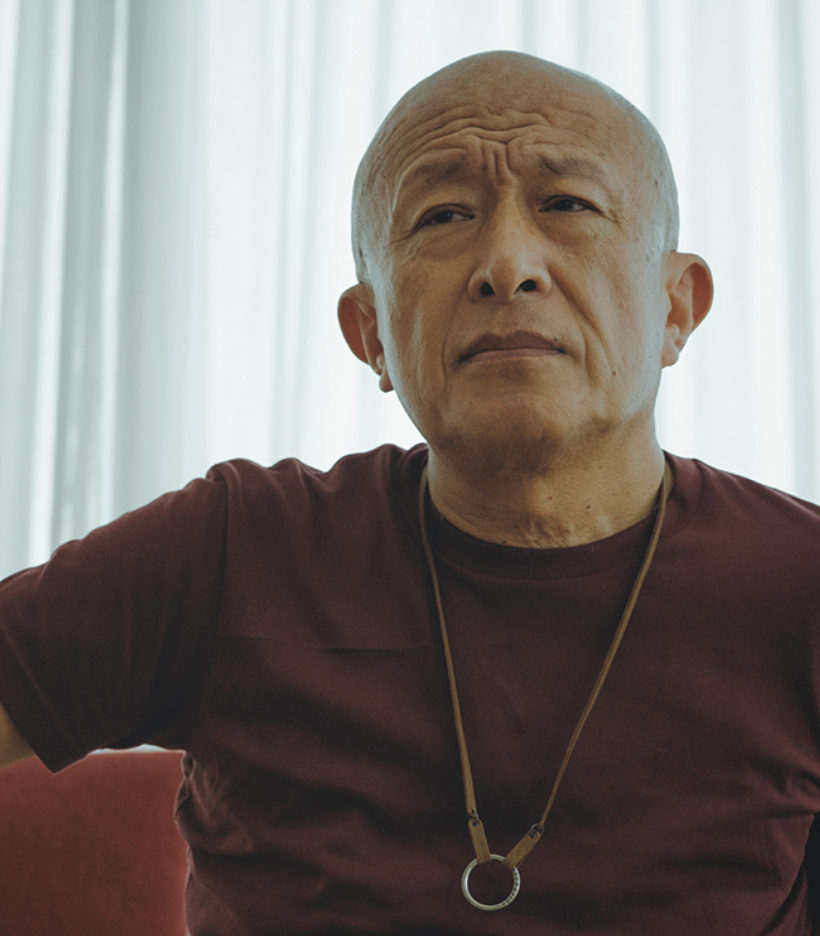
Dzongsar Khyentse Rinpoche is a student of important Tibetan Buddhist lamas including Kyabje Dilgo Khyentse Rinpoche, Kyabje Sakya Trizin, Kyabje Dudjom Rinpoche, and the 16th Karmapa.