
Using a simple plant as metaphor, the Buddha explains the twelve links of dependent origination in this brief teaching that bridges Theravada and Mahayana traditions.
.avif)
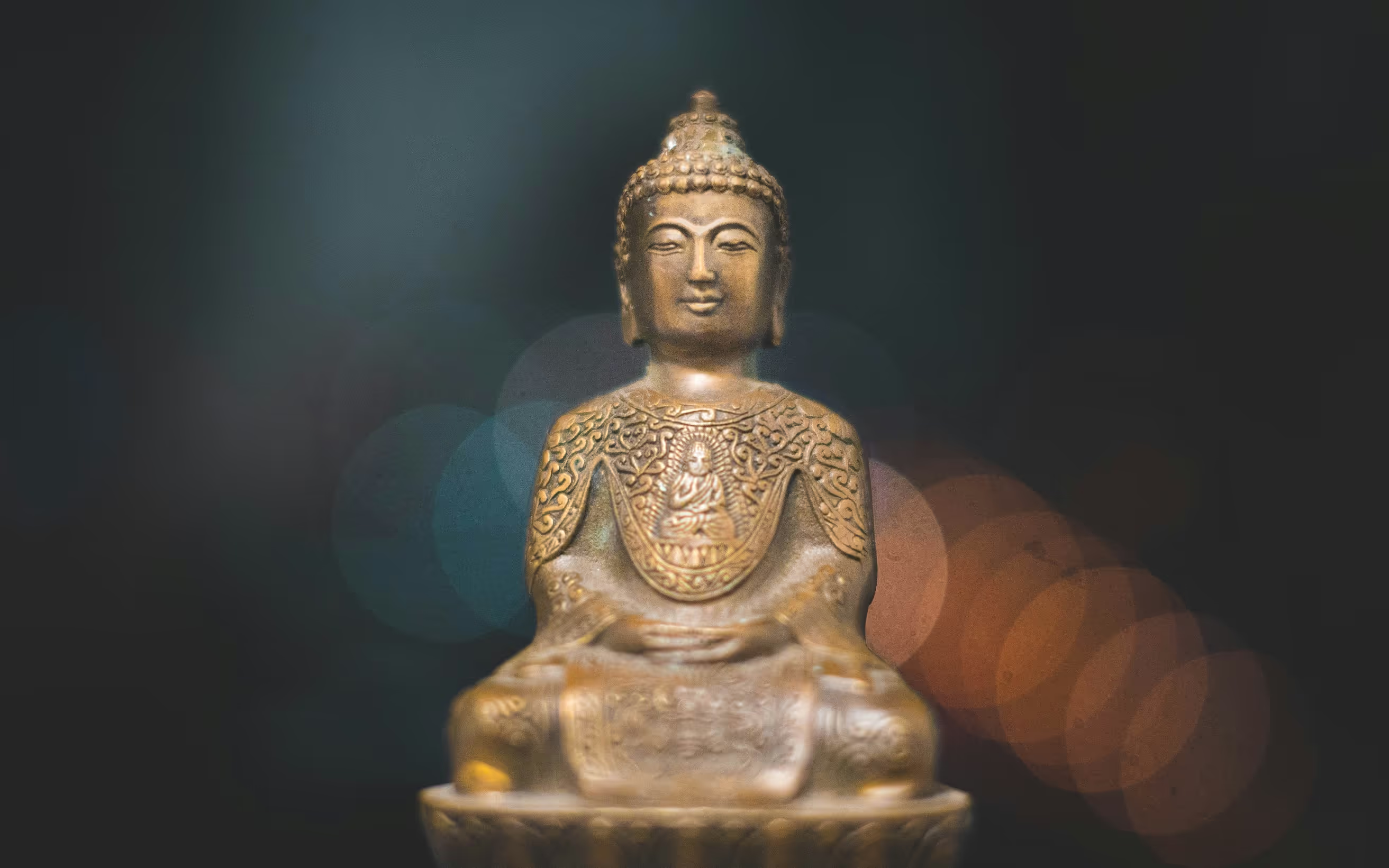
Statue of Maitreya Buddha.
Raktrul Rinpoche offers an illuminating introduction to The Rice Seedling Sūtra for both dharma students and those new to Buddhism. The sutra preserves a teaching Buddha Shakyamuni delivered while observing a rice seedling, using this simple plant as a visual metaphor to explain the twelve links of dependent origination—a core Buddhist concept describing how suffering and existence perpetuate through interconnected causes and conditions.
What makes this text exceptional is its universal appeal. Raktrul Rinpoche describes it as a crucial bridge between Theravada and Mahayana traditions, maintaining a "neutral tone" that makes it accessible across Buddhist schools and philosophical approaches. The sutra's historical significance is equally remarkable: cited so frequently throughout Indian and Tibetan commentaries that modern scholars reconstructed nearly 90% of the original Sanskrit simply by gathering fragments preserved in these other texts—a testament to its enduring influence on Buddhist thought.

Raktrul Rinpoche (Do Tulku Rinpoche) was recognized at age 17 as the 5th Raktrul Rinpoche, trained for eleven years at Dzongsar Institute, and now teaches Buddhist philosophy across Asia and Europe with an interactive, unconventional, and humorous style.




.png)