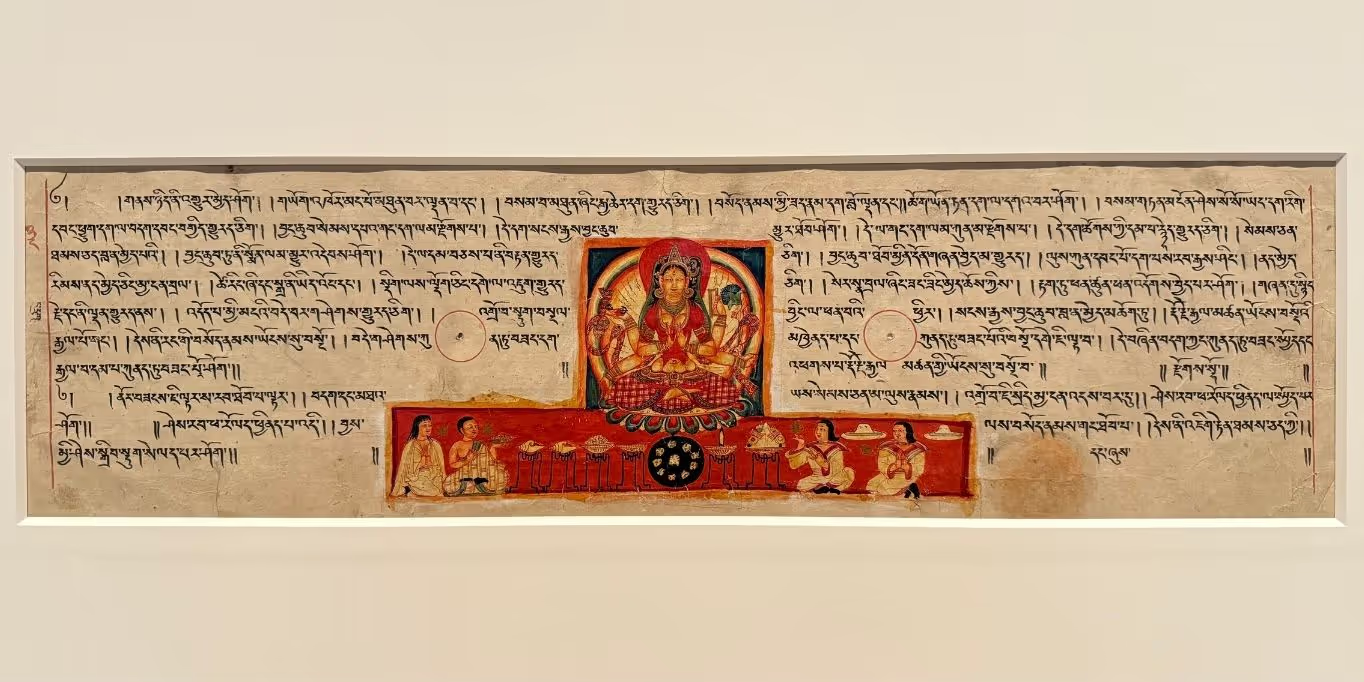
Professor Jens Braarvig reveals how the Bodhisattva Piṭaka systematizes the bodhisattva path by integrating compassionate action with philosophical understanding of emptiness.

Photo by H&CO.
Professor Jens Braarvig discusses his translation of the Bodhisattva Piṭaka (Collected Teachings of the Bodhisattva), exploring how this foundational Mahayana text systematizes the qualities and ethical commitments of the ideal practitioner. Rather than merely promoting renunciation, the text centers on the altruistic resolve to aid all sentient beings, integrating profound philosophical understanding with practical conduct. Braarvig provides historical context on the text's preservation in both Sanskrit and Tibetan, tracing its role in the evolution of Buddhist thought from early teachings to the developed Mahayana tradition.
The discussion reveals how the Bodhisattva Piṭaka bridges philosophy and practice, showing that the bodhisattva path requires both a heroic commitment to liberating others and a deep understanding of emptiness—recognizing the constructed, non-inherent nature of reality itself. This balance between compassion and wisdom, between engagement with suffering beings and insight into the ultimate nature of phenomena, defines the distinctive character of the Mahayana approach. Braarvig illuminates how the text served as a systematic guide for practitioners seeking to embody these twin qualities, offering a comprehensive framework that shaped Buddhist practice and philosophy for centuries.

Jens Braarvig is Professor Emeritus of Religious Studies at the University of Oslo, specializing in Buddhist history, literature, and languages, and founder of the multilingual digital platform Bibliotheca Polyglotta.