Explore one of Tibet's first translated sutras —a longevity practice commissioned for a king that became the foundation for all Amitayus practices, with insights on premature death, the relationship between Amitayus and Amitabha, and why conviction matters more than comprehension.
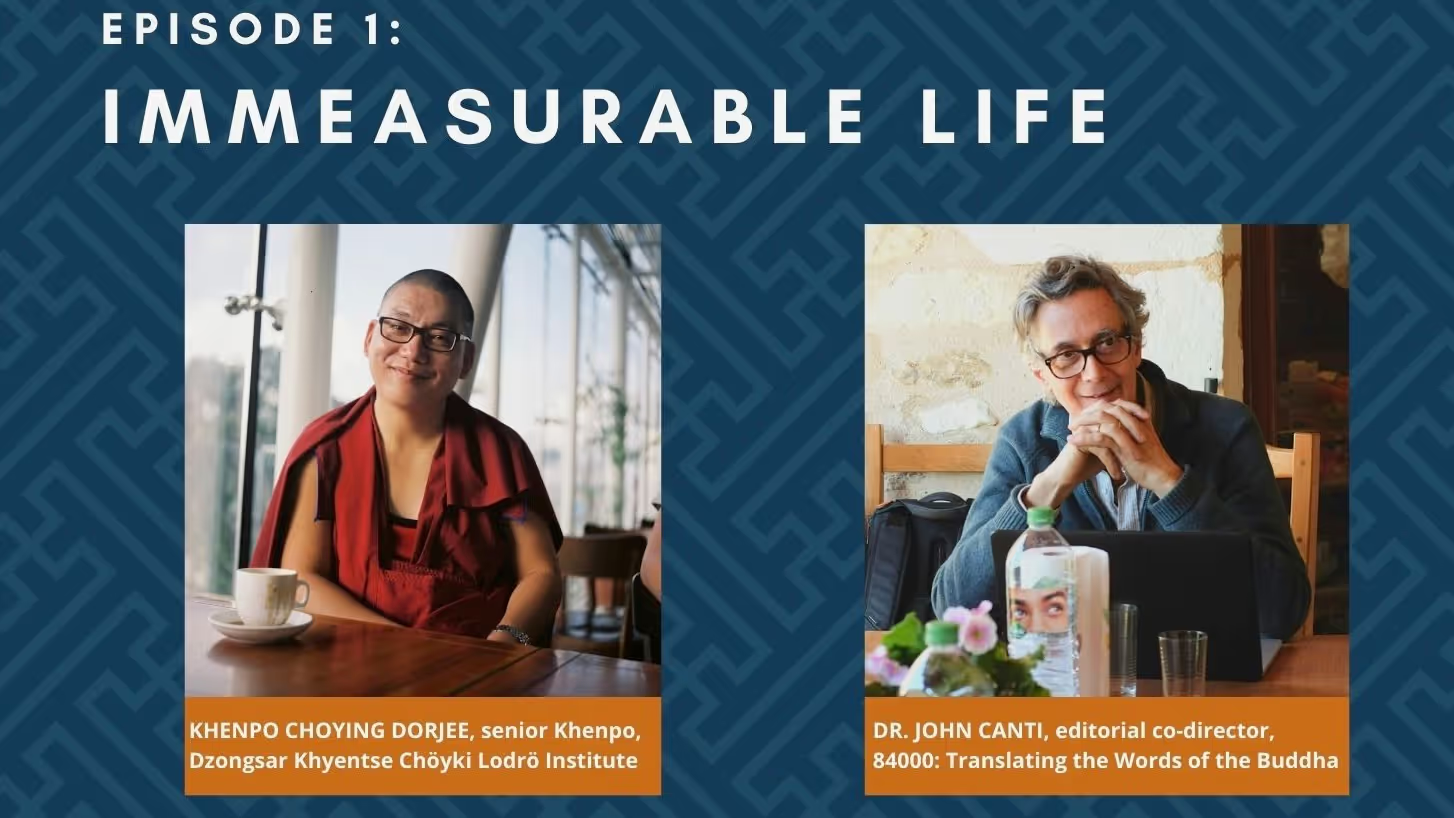
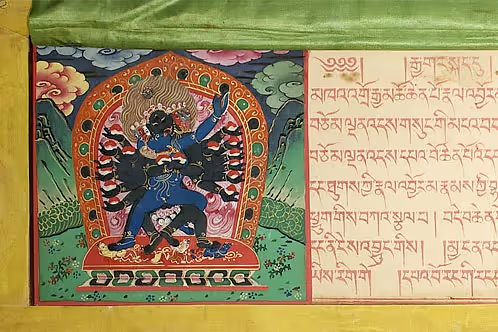
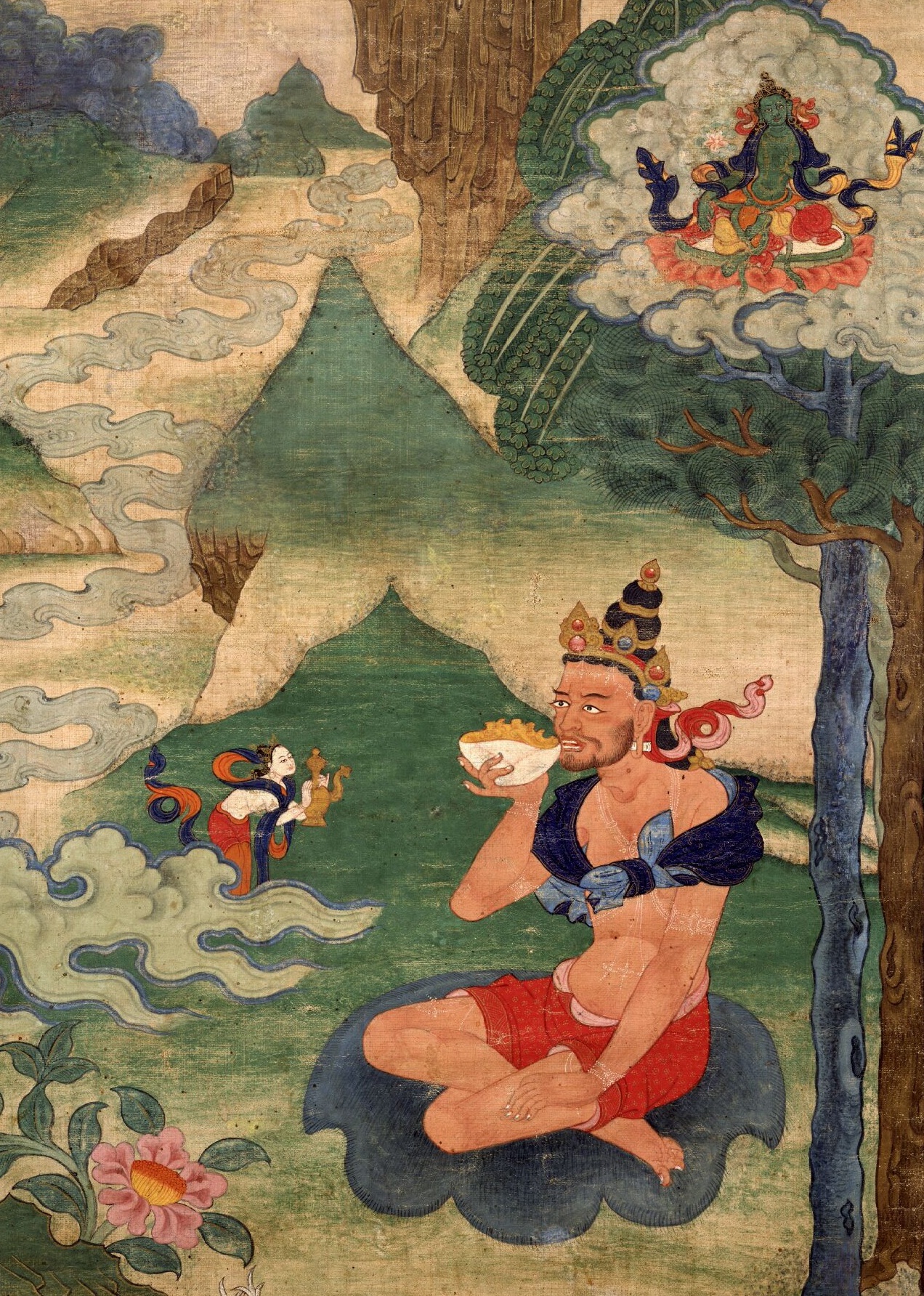
Photo by Art Institute of Chicago.
Our first episode, 'Immeasurable Life,' explores two recently translated versions of The Aparimitāyurjñāna Sūtra, traditionally recited for longevity. Host Joie Chen speaks with Khenpo Choying Dorjee, a senior Khenpo at Dzongsar Chökyi Lodrö Institute, and Dr. John Canti, editorial co-director at 84000, about the text's unique historical role as one of the first sutras translated into Tibetan—specifically commissioned to bless King Trisong Detsen with longevity.
Despite being titled a "sutra," it belongs to the Kriya Tantra section of the Kangyur and serves as the root text for all Amitayus longevity practices. The discussion clarifies that in Tibetan tradition, longevity is sought not for its own sake but to extend one's opportunity to practice the Dharma and accumulate merit toward enlightenment.
Khenpo Tenzin Gawe Lodro addresses the relationship between Amitayus (Immeasurable Life) and Amitabha (Infinite Light), explaining that while traditionally associated with different directions and buddhafields, from a Mahayana perspective they represent different manifestations of the same enlightened nature. The conversation also examines historical debates about two versions of the text's dharani—the "two om" version found in early Dunhuang manuscripts and the "three om" version widely used today—emphasizing that both are valid and that a practitioner's conviction matters more than understanding its literal meaning, much like trusting a vaccine without needing to understand the science behind it.
Key Moments:
[3:56] A brief introduction to the significance of The Aparimitāyurjñāna Sūtra, or Tshe dang ye shes dpag tu med pa’i mdo in Tibetan, “tsemdo” for short
[18:00] The types of sadhanas and practices associated with this text
[28:51] What is the difference between Amitābha, Amitayus, and Aparimitāyurjñāna? Do these names all refer to the same Buddha?
[42:17] Why has this particular text become so central to the practice of Amitābha/Amitāyus in Tibet while it is a different set of text in the Amitāyus practices in the Chinese context?
[53:32] About the two versions of the dhāraṇī
[1:00:46] Images of the early manuscripts of The Aparimitāyurjñāna Sūtra
[1:11:15] The version of the dhāraṇī recited by Jigme Khyentse Rinpoche
[1:13:43] Recording of the dhāraṇī recited by Jigme Khyentse Rinpoche
[1:15:16] The meaning of ‘dhāraṇī’
Read the texts here:
The Aparimitāyurjñāna Sūtra (1): https://read.84000.co/translation/toh...
The Aparimitāyurjñāna Sūtra (2):https://read.84000.co/translation/toh...
The Essence of Aparimitāyushttps://read.84000.co/translation/toh...

Our team is made up of academics, Dharma teachers, technology experts, translators, and practitioners working remotely from twenty-two cities around the world.