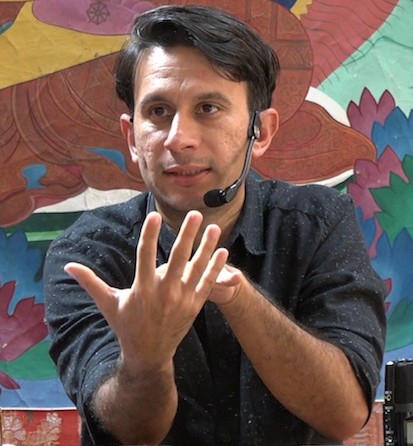
The Vimalakīrti Sūtra turns conventional spirituality upside down —revealing that wisdom comes not from eliminating messy emotions, but from understanding their true nature.
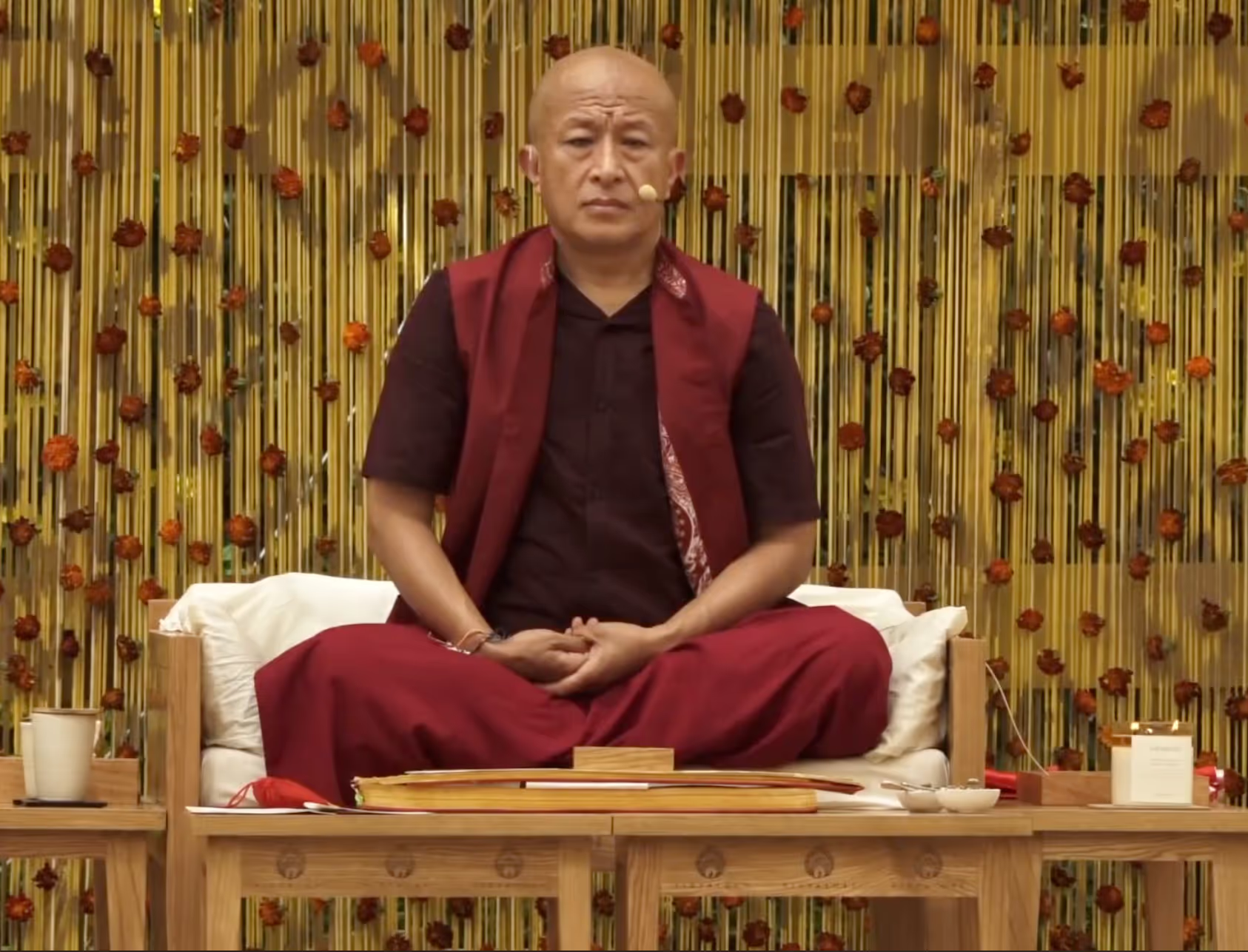
These videos feature teachings on the Vimalakīrti Sūtra, a foundational Mahayana Buddhist text that emphasizes non-duality and the integration of spiritual wisdom into ordinary life. Dzongsar Khyentse Rinpoche highlights how the protagonist, a wealthy layperson named Vimalakīrti, challenges traditional religious hierarchies and moral rigidity by demonstrating that enlightenment can exist within the "mud" of worldly existence. Central to the discourse is the idea that human defilements, such as anger and desire, are actually the raw ingredients of wisdom rather than obstacles to be discarded. The teaching explores six spiritual sicknesses, including dependency and wrong views, suggesting that these are cured not through dualistic renunciation but through a profound, non-judgmental awareness. Additionally, the teaching addresses the equality of gender and the superiority of the bodhisattva’s compassionate engagement over the arhat’s pursuit of personal liberation. Ultimately, it encourages practitioners to find inconceivable liberation by collapsing the walls between meditation and daily activity.
Woven throughout the teaching are theatrical performances in which participants step into the roles of the sūtra's characters, bringing its most pointed exchanges to life.
These performances aren't ornamental. They serve the teaching's central argument: that the sūtra's wisdom cannot be held at arm's length — it must be recognized in action, in relationship, in the texture of ordinary life. Together, teaching and theater illuminate the radical claim at the heart of the Vimalakīrti Sūtra: that enlightenment doesn't require leaving the world behind, and that the apparent obstacles of daily existence may be exactly where wisdom is found.
In the first video, the teaching focuses on the definitive truth and the nature of enlightenment, which is defined not as moving to another place, but as the direct experience of reality. It emphasizes that intellectual understanding is insufficient; one must realize the truth to end suffering, similar to waking from a nightmare. A significant portion of the teaching details Vimalakīrti’s interactions with various high-level disciples of the Buddha—such as Mahakasyapa, Subhuti, and Ananda—where he challenges their limited or "one-sided" understandings of compassion, emptiness, and the nature of the Buddha's body. The video concludes with the introduction of Manjushri, the only one willing to visit the "sick" Vimalakirti after others refused out of intimidation by his profound wisdom.
The following are the approximate times in the video where the theatrical performances occur:
The second video introduces the Vimalakīrti Sūtra as a "road map" for the spiritual path, noting its massive influence on Zen (Chan) Buddhism and its reputation for being "the opposite of rigidity". Dzongsar Khyentse Rinpoche explains that the sūtra’s "hero" is a wealthy layperson, which challenges the traditional hierarchy that places clergy above the laity. The core theme is the non-duality of wisdom and defilement, summarized by the idea that the "Buddha mind" is found within the "muddy mind" of emotions. The discourse explores six fundamental "sicknesses" of the human habit and concludes with practical instructions on meditation as a state of awareness that collapses the wall between concentration and distraction.
The following are the approximate times in the video where the theatrical performances occur:
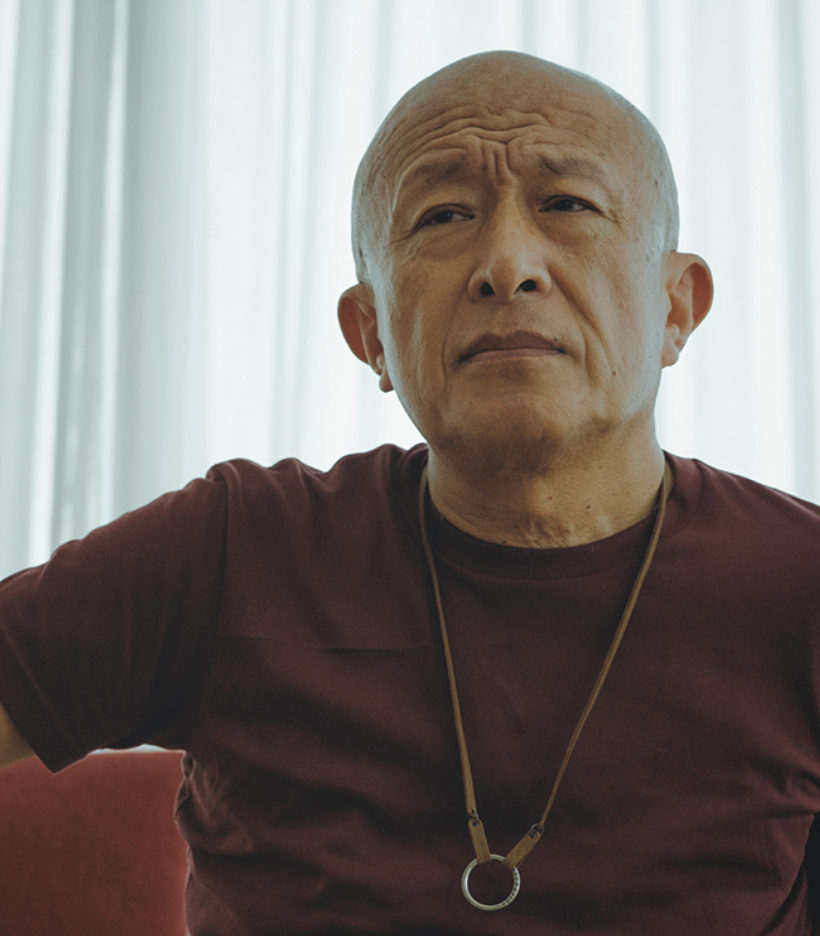
Dzongsar Khyentse Rinpoche is a student of important Tibetan Buddhist lamas including Kyabje Dilgo Khyentse Rinpoche, Kyabje Sakya Trizin, Kyabje Dudjom Rinpoche, and the 16th Karmapa.



.jpeg)

.avif)