Khyentse Foundation recently published a special feature celebrating 25 years of supporting major Buddhist translation initiatives—and 84000 is among them. Read Executive Director Huang Jing Rui's reflection on how 84000 began, what we've accomplished together, and the new chapter now unfolding.
Khyentse Foundation, marks its 25th anniversary this year—and as part of that celebration, they have published a special feature on the four major translation initiatives they have incubated over the years. Among them is 84000, which KF helped bring into being at a historic gathering at Deer Park Institute in India in 2009. Below, 84000's Executive Director Huang Jing Rui reflects on where we began, how far we've come, and where we are headed next.
To read about the other translation initiatives KF has incubated—including the Khyentse Vision Project, the Kumarajiva Project, and DJK Chinese Translation—read the full feature on the Khyentse Foundation website.
___________________________________________________________________________________________________________
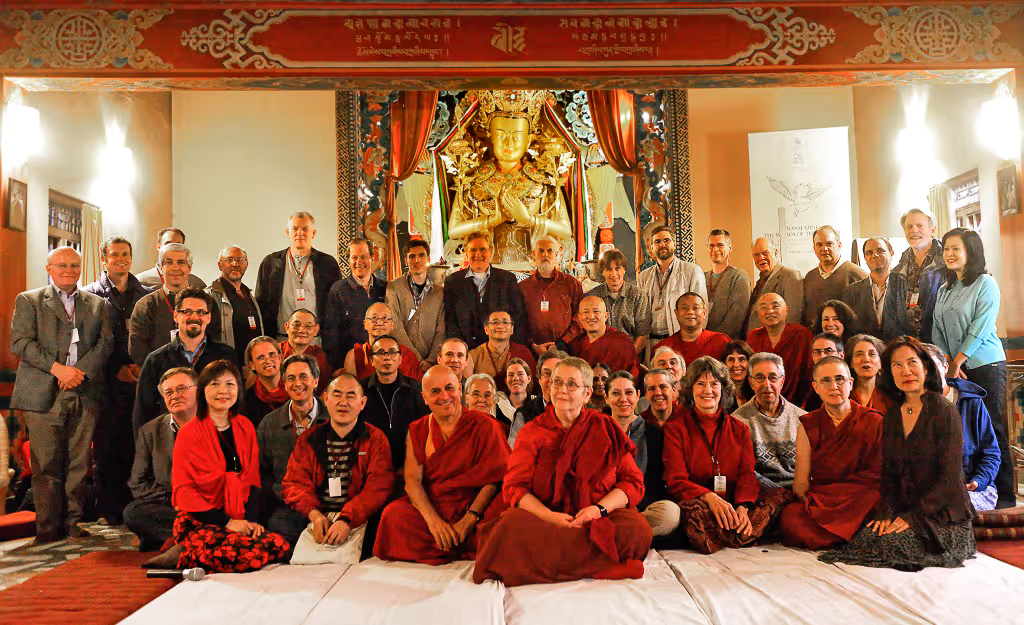
The origins of 84000: Translating the Words of the Buddha can be traced to a pivotal gathering that Khyentse Foundation hosted at Deer Park Institute in India in 2009, when 50 eminent scholars, translators, teachers, and practitioners came together to imagine the future of dharma translation.
At that time, less than 5 percent of the Tibetan Buddhist canon had been translated into any modern language. An ambitious 100-year goal was set to translate the entire canon—70,000 pages of the Kangyur and 161,800 pages of the Tengyur—into English and other modern languages, and to make the translations available at no cost to all. Under Dzongsar Khyentse Rinpoche’s leadership, with the clear intention that 84000 would be a nonsectarian organization, KF committed to providing the administrative support to ensure that the initiative would be incubated into an organization that was both independent and self-sustaining.
Immediately after the conference, proof-of-concept translations were begun and Rinpoche appointed a working committee. In the early years, KF provided strategic guidance and brought together 108 founding sponsors, who contributed US$5 million in seed funding to lay a firm financial foundation for the massive endeavor ahead.
In 2013, 84000 obtained independent status as a 501(c)(3) nonprofit organization, marking an important step in our growth while continuing to build on the vision that KF first established.
Over the past 16 years, 84000 has grown into a global collaboration of translators, editors, and scholar-practitioners. Together, we have made substantial progress toward translating the Kangyur. Today, more than 80 percent has been translated into English and more than 50 percent has been published and made available to readers worldwide. Our open-access digital platform is beginning to reach new audiences. This year, we reached a new milestone, with our site averaging 100,000 unique visitors each month. Work on the Tengyur has also begun. This progress reflects not only the dedication of individual contributors but also the strength of an ecosystem that KF helped to bring into being.

While 84000’s initial focus has been on translation into English, the goal set in motion at Deer Park Institute was to make the Buddha’s words available across many languages. Now, standing at this milestone, 84000 is in a position to return to and build upon that original aspiration.
What began as a translation initiative is now evolving into an engagement initiative. The challenge today is no longer only how to translate texts but also how to ensure they are meaningfully available across many different languages, levels of familiarity, and modes of learning. In this sense, 84000’s work is entering a new chapter, one that focuses on opening gateways to the collection so that these texts can be encountered, understood, and engaged with by the widest possible audience.
This shift comes at a moment of profound technological change. Advances in artificial intelligence (AI) are already reshaping translation, research, and publishing. New AI tools are also changing how people find and make sense of information and redefining how we seek knowledge. For 84000, this presents not only opportunities to enhance our mission but also deeper strategic questions about how timeless wisdom can meet emerging intelligence responsibly.
84000’s AI strategy is built on three guiding pillars: assisting translation, protecting authenticity, and expanding the beneficial impact of Buddhist wisdom through public engagement and ethical alignment.
First, we are exploring how AI may assist the scholar across various stages of the translation process, including source text comparison, version analysis, reference material research, glossary consistency, and workflow efficiency.
Second, authenticity remains non-negotiable. These texts carry deep spiritual and philosophical significance, and every translation must remain faithful to meaning, lineage, nuance, and scholarly rigor. Technology may assist the process, but stewardship remains a human responsibility.
Third, we see opportunities to expand access and amplify the beneficial impact of the canon. In addition to using AI tools to help readers discover, navigate, and engage with the canon in new ways, we are also partnering with AI alignment researchers and scientists to explore how our translated corpus of Buddhist texts and network of dharma teachers and scholar-practitioners can contribute to the ethical alignment of current and future AI systems.
The rise of AI also sharpens our understanding of what must always be central: discernment, contemplative insight, ethical judgment, and the sincere motivation to benefit others.
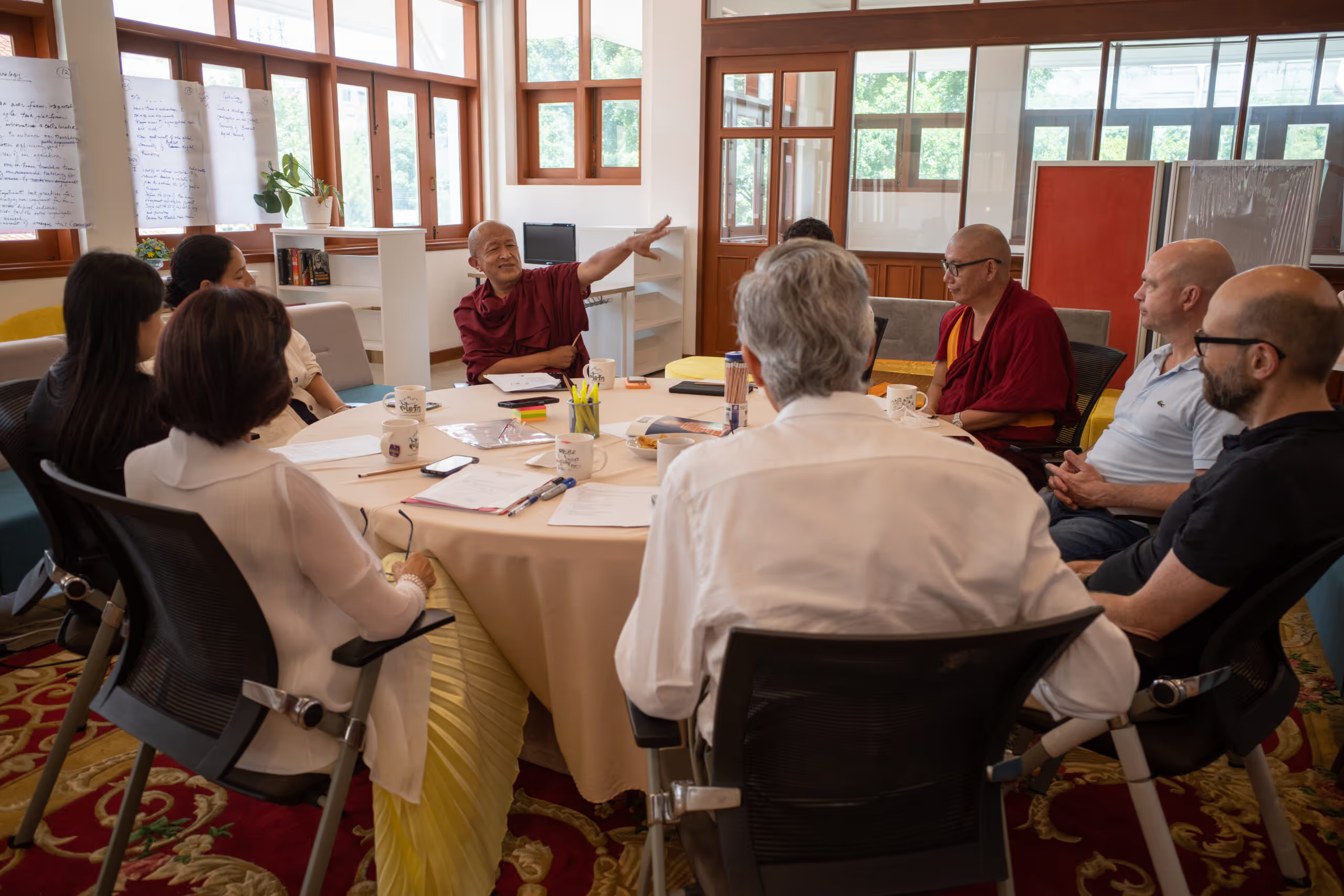
Looking ahead, the work of translation and engagement will continue to unfold over decades. What was once a largely inaccessible body of literature is steadily becoming available to a global audience. More importantly, it is now possible to imagine new ways of engaging with these texts through digital tools, multilingual pathways, emerging forms of guided exploration, and personalized content.
84000’s story is inseparable from that of Khyentse Foundation. The initial incubation was not only financial and administrative—it was an expression of commitment to a long-term vision, which has brought us to where we are today.
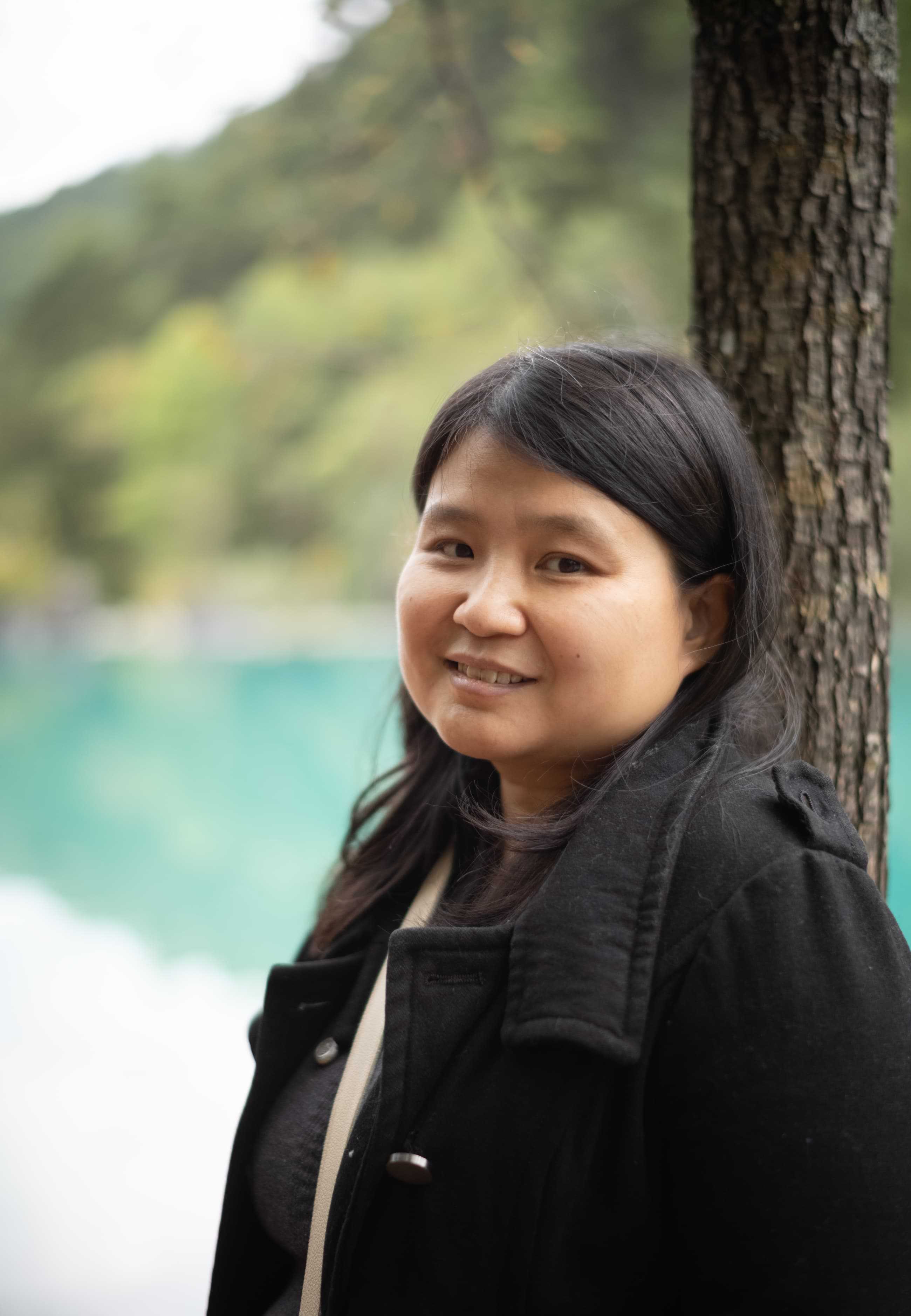
Jing Rui develops and executes 84000’s strategic vision, managing programs, operations and finances.