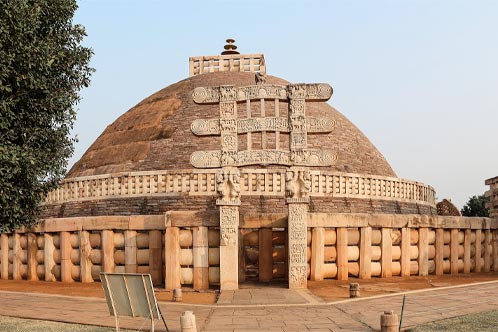
An ancient forest goddess transformed into medicine keepe r—Pārṇaśavarī embodies both nature's dangers and healing powers, offering epidemic protection for over a thousand years.
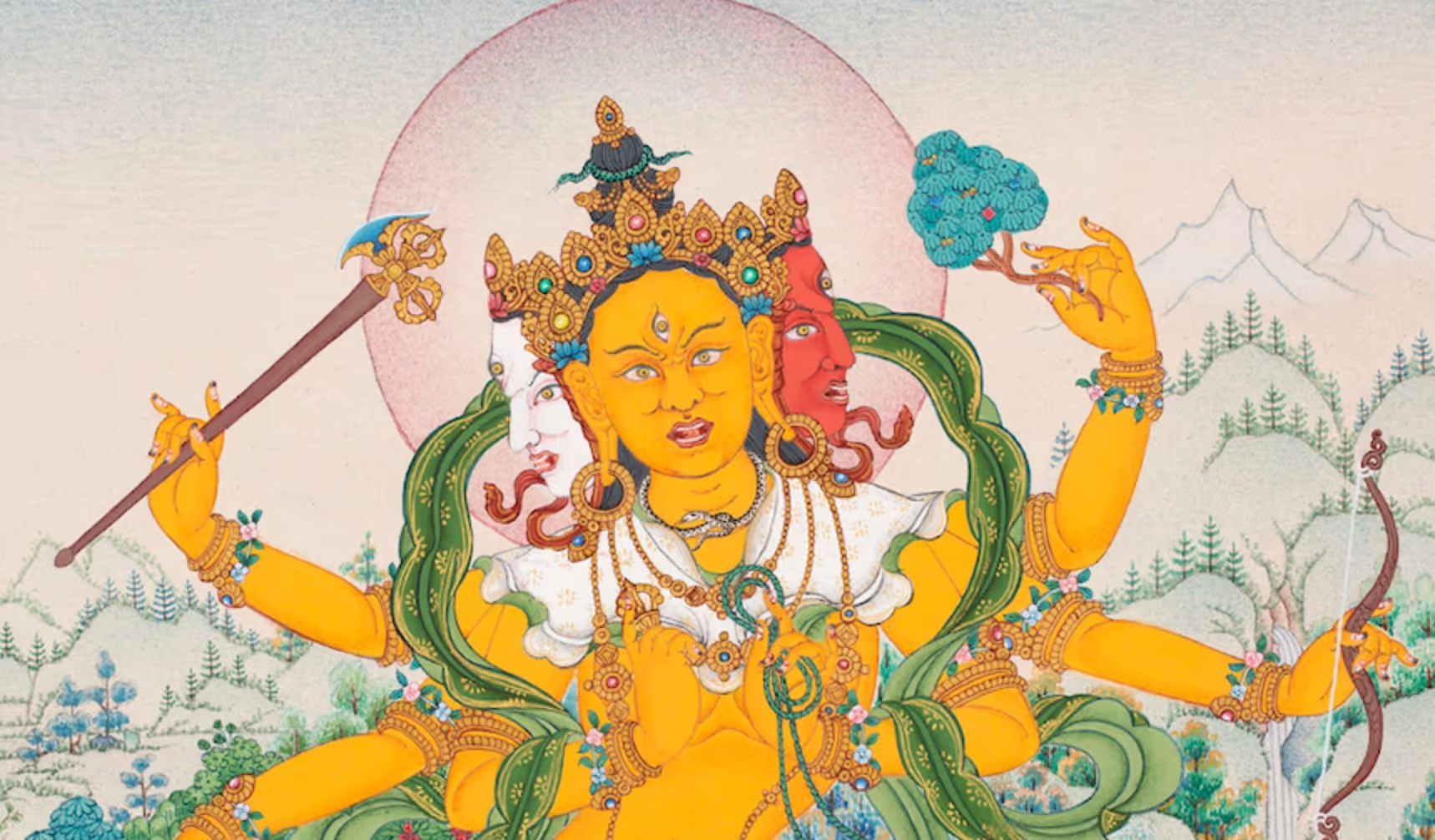
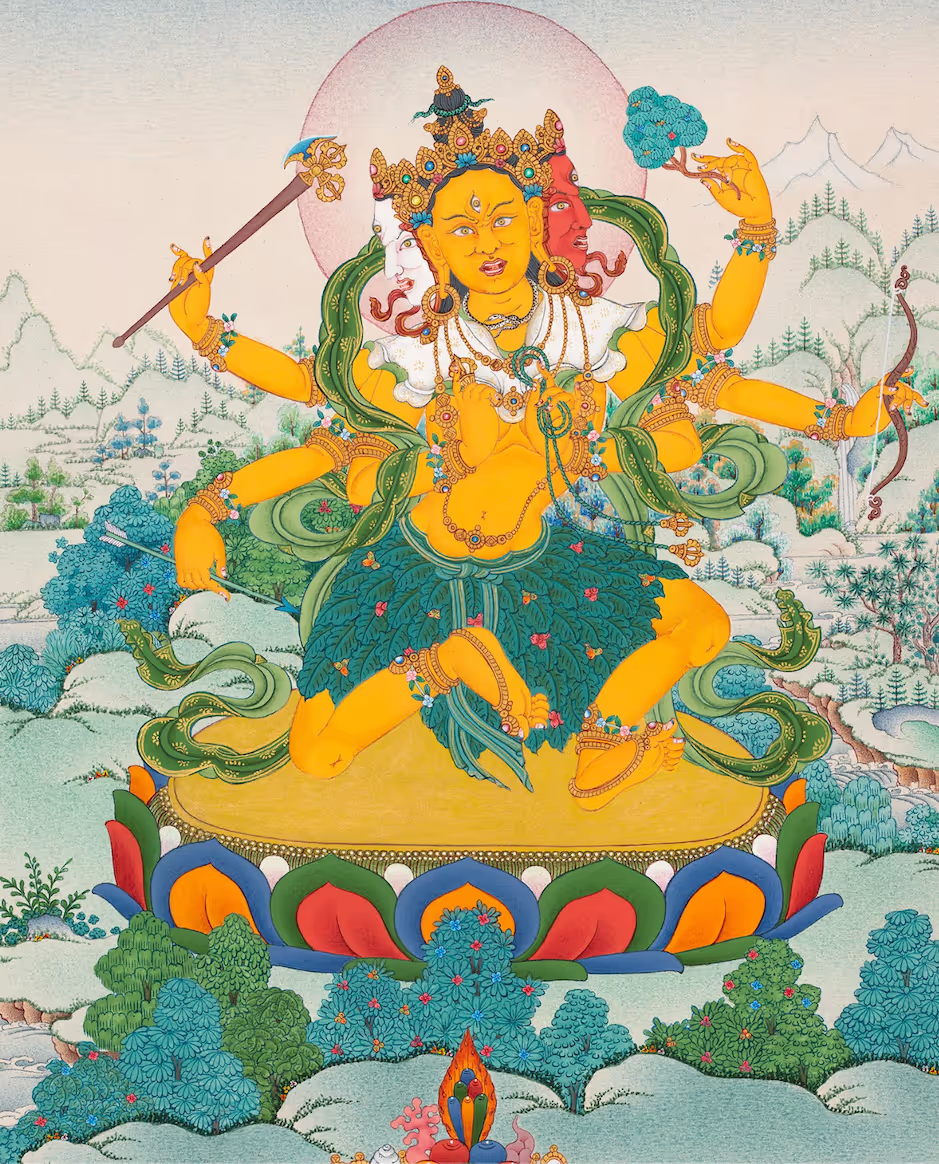
Pārṇaśavarī thangka. Image courtesy of Enlightenment Thangka.
What do ancient Buddhist sūtras have to say about wellbeing today? In this six-part short video series, we explore selected sūtras and the practical insights they offer for navigating modern life. Through brief, accessible reflections, each episode highlights how the Buddha’s words can support clarity, balance, and inner resilience.
In this video, 84000 editor Ryan Damron introduces the Dhāraṇī of Pārṇaśavarī, a Buddhist text centered on protection from disease and worldly dangers. The central figure, Pārṇaśavarī, is an ancient forest deity—originally described as a piśācī—who evolved from a simple two-armed form into a complex six-armed manifestation associated with healing plants and medicinal knowledge. She embodies a dual nature, representing both the fearsome forces of the untamed wilderness and the realized power capable of pacifying epidemics and harm. Although her origins lie in Indian literature, Pārṇaśavarī is widely revered in Tibetan Buddhism as an emanation of the goddess Tara. The text functions as a practical ritual resource, offering specific incantations intended to alleviate illness and support the well-being of practitioners, particularly in times of widespread crisis.

Dr. Ryan Damron is a Research Editor with 84000, where his work focuses primarily on dhāraṇī and tantric literature. He holds a PhD in Sanskrit and South Asian Studies from the University of California, Berkeley.